 Duran's Roofing AZ
How Weather Conditions Affect Timing and Decisions
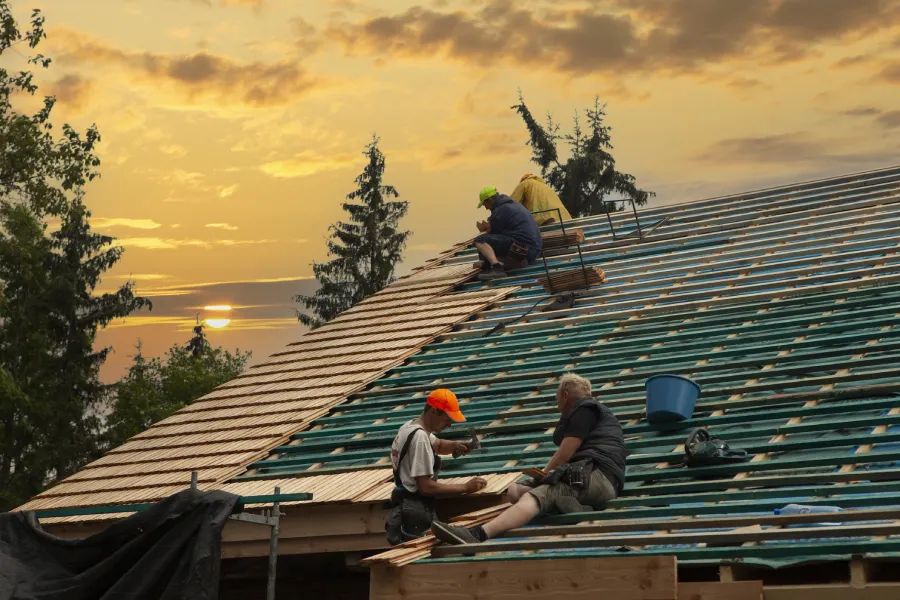
Weather is a major factor in planning home repairs, especially for roofs. The timing can affect both cost and quality of work. Understanding how different weather conditions impact roofing projects helps homeowners make informed decisions. This knowledge allows them to choose the best time for repairs, ensuring safety and efficiency.
The Role of Temperature in Roofing Projects
Temperature has a significant effect on roofing repair. Extreme heat or cold can impact the materials used. For instance, shingles become brittle in cold weather, which makes them harder to install. On the other hand, hot temperatures can cause adhesives to melt too quickly. Both conditions may require additional steps during installation, affecting timing and cost.
Humidity’s Influence on Roofing Materials
Humidity levels also play a crucial role in roofing repair. High humidity can delay projects as moisture in the air affects material adhesion. Water trapped under shingles may lead to mold growth later on. Proper planning involves choosing days with moderate humidity to ensure materials set correctly, preventing future problems.
The Dangers of Precipitation
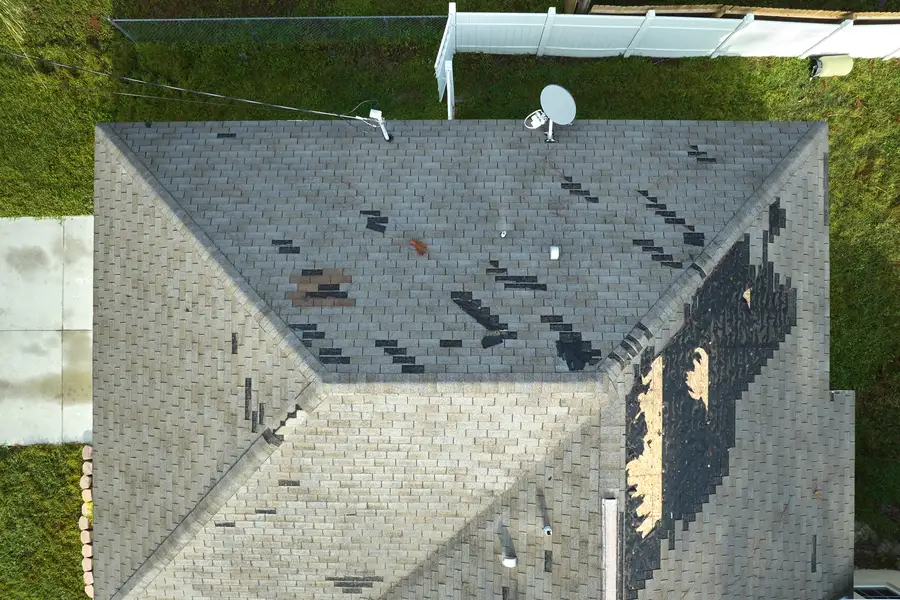
Rain, snow, and ice are among the most challenging weather conditions for roofing repair. Working on wet surfaces is dangerous and increases the risk of accidents. Additionally, precipitation complicates the process by affecting the sealants and paints used in roofing. Avoiding repair work during rainy or snowy periods is critical for safety and effectiveness.
Wind’s Impact on Repair Efforts
Strong winds can hinder roofing efforts significantly. High gusts make handling large materials like shingles risky. Workers need stable conditions to safely maneuver these items without risking injury or improper placement. Therefore, it is crucial to schedule repair work when wind speeds are low to maintain project stability and worker safety.
Seasonal Considerations for Homeowners
Each season comes with its own challenges for roof maintenance. Spring often brings rain, while summer brings heat. Fall provides milder temperatures but can be windy. Winter’s cold and snow complicate any outdoor work. Homeowners should consider these seasonal factors when planning their repairs to optimize results and avoid unnecessary delays.
Best Practices for Scheduling Roof Work
To ensure successful roofing projects, follow some best practices:
- Monitor weather forecasts before scheduling repairs
- Choose reputable contractors familiar with your area’s climate
- Consider flexible scheduling to account for unexpected weather changes
- Aim to complete projects in mild weather conditions whenever possible
Choosing Quality Over Speed
While quick fixes might seem appealing, prioritizing quality over speed ensures long-term value. Rushing repairs during unfavorable weather could lead to higher costs down the line due to damage or rework. It is better to wait for optimal conditions than compromise on quality.
Make Smart Choices With Roofing Repairs
By understanding weather impacts on roof repair timing, homeowners can plan smarter and save money long-term. The right time improves safety, quality, and overall satisfaction with the final outcome. Contact Duran's Roofing AZ at (623) 250-5879 today for expert advice tailored to your home’s needs. Based in Avondale, AZ, we have extensive experience handling local weather conditions effectively.